CHALLENGE
The main challenge of this project was to design an iPad application for children to help them learn the name and the sound of the letters, and to teach them to spell and read simple words. This challenge was driven by four objectives:
- understand the current theory and practice on working with children as design partners
- understand the current theory and practice on applying creativity techniques while designing technology with children
- applying these theories to the design and develop a low-fidelity prototype of an iPad application
- creating and evaluating wireframes for the iPad application
APPROACH
I carried out an extensive literature review to understand the best methodologies used when designing technology with children. Cooperative Inquiry was chosen as it has the highest user involvement compared to other methodologies. In Cooperative Inquiry children are considered design partners working along the adults throughout the processes.
The literature review also revealed that the most common and successful creativity techniques used while designing technology with children remain brainstorming and low-fidelity prototyping.
I organised two sessions to design and develop the low-fidelity prototype of the iPad application: a games session and a design session. During the games session the children were asked to play different games. They were also asked to answer some questions after playing each game. The main aim of the games session was to observe the children doing their normal tasks, to capture the details of what they do and understand which activities were more challenging and kept them motivated.
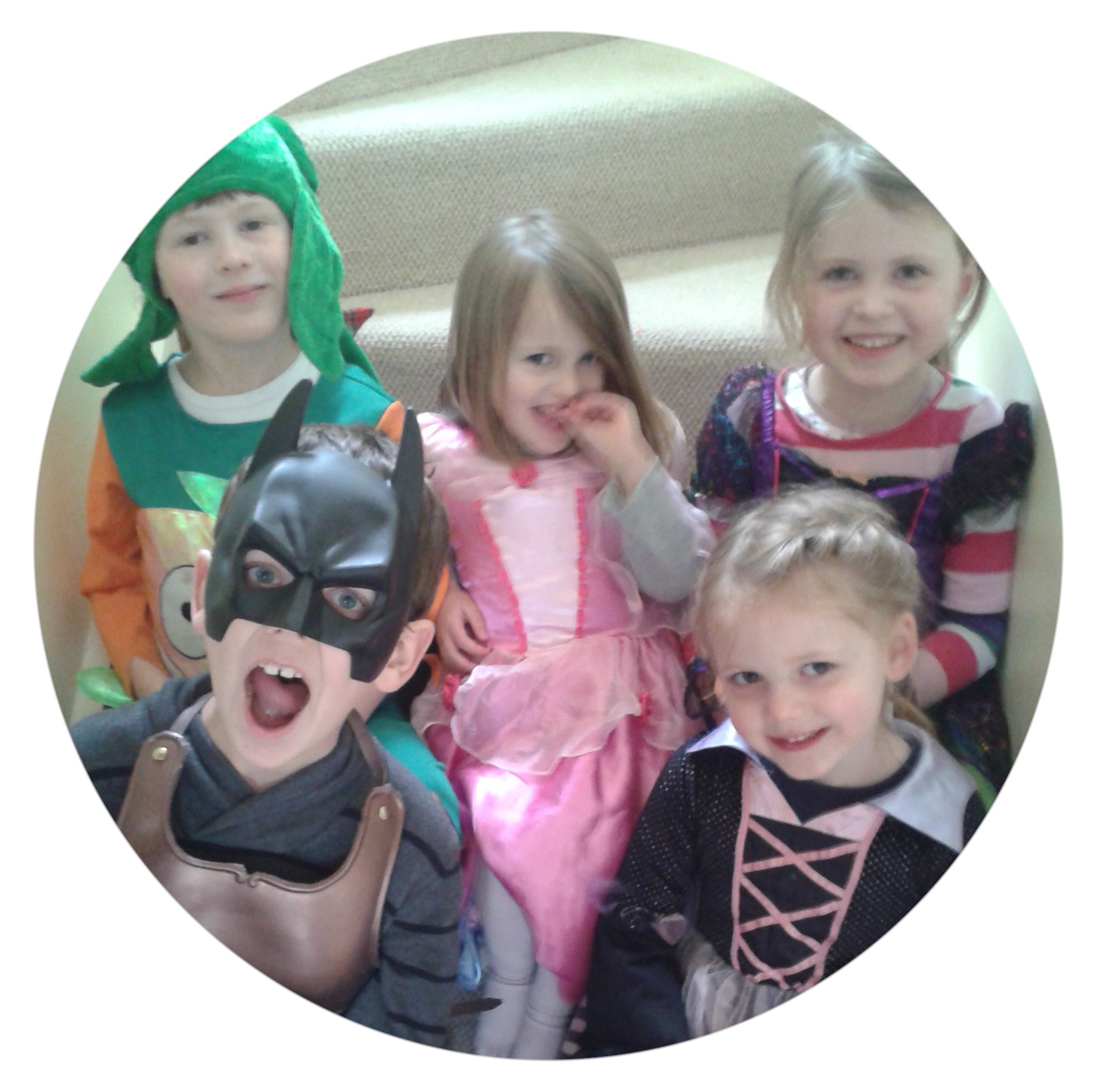
The main aim of the design session was to generate ideas for the design of the iPad application, and create the low-fidelity prototype. The children were asked to dress up with their favourite costumes, play with Lego and Playmobil figures, and do some colouring and drawing. Interestingly, the design session was terminated earlier than planned due to the children getting impatient. However, we managed to generate four design ideas with the children, and these were used to create the wireframes for the iPad application.
RESULTS
The approach was based on academic studies and theories and I used a range of creativity techniques during the design session. The outcomes were meaningful and purposeful experiences for children. I believe in that through research, our work becomes meaningful and helps us building better experiences for children. The final result of the project were wireframes available at All Wireframes.
The full report can be found online Designing Applications for Children.
 Monica Ferraro